Towing Challenges for Grain Haulers and Agricultural Fleets in Western Illinois
Harvest season puts grain trucks to the test across western Illinois. Discover how loaded trailers, muddy field entrances, and rural road breakdowns complicate heavy-duty towing around Colona and Galesburg, plus what it takes to recover agricultural trucks safely.
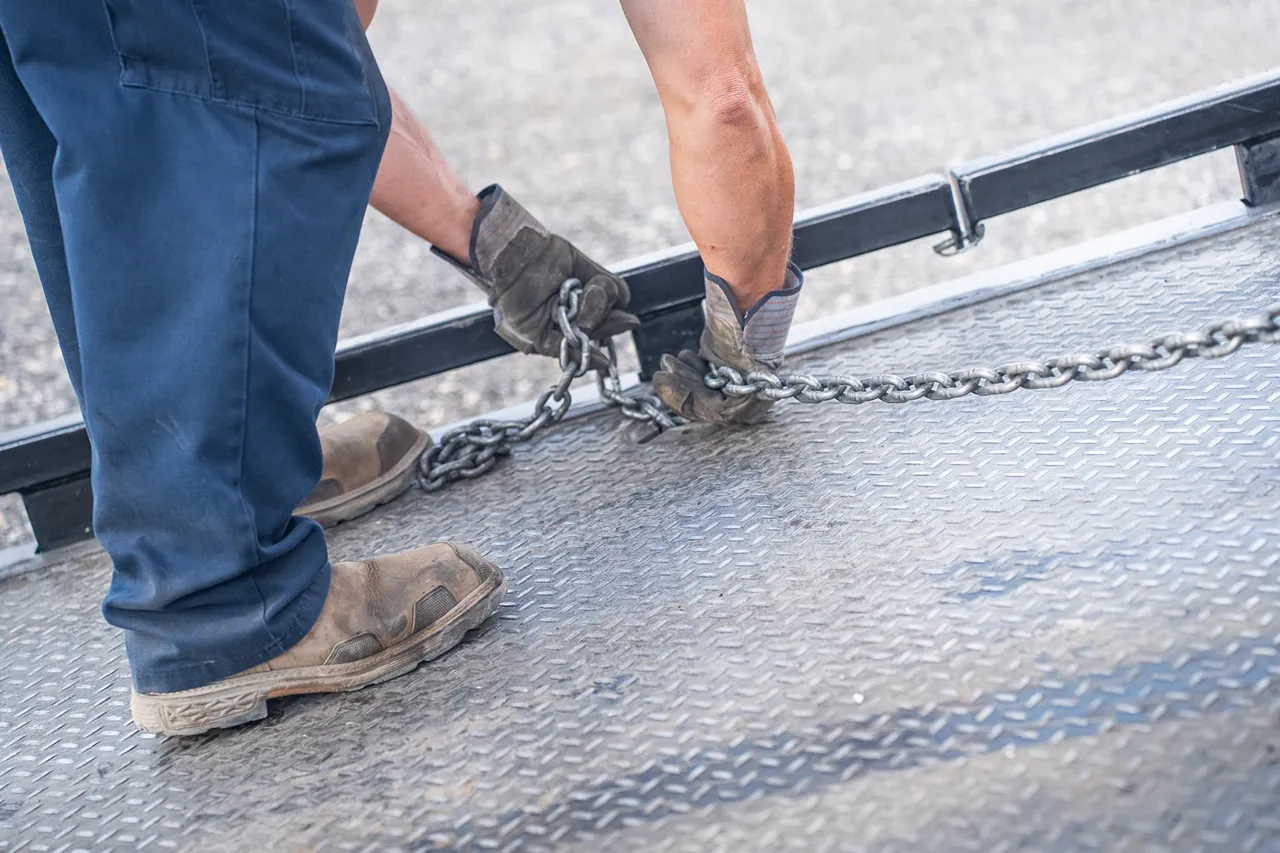
October brings a rush of grain trucks onto rural roads around Colona and Galesburg, but one muddy field entrance can bring a loaded trailer to a standstill. The problem isn't always mechanical; soft ground, heavy cargo, and limited access can turn a simple breakdown into a complicated recovery. Understanding these hazards helps you protect your equipment and reduce harvest downtime.
Why Does Harvest Season Increase Heavy-Duty Towing Demands in Western Illinois?
Harvest season puts additional pressure on agricultural transportation across Henry and Knox counties. As corn and soybean operations move into full swing, grain trucks travel between fields, storage facilities, elevators, and major highways.
Around Colona, agricultural traffic connects with Interstate 80 and Interstate 74, while Galesburg serves truck routes along I-74 and US 34. These corridors support regional transportation, but many grain haulers must navigate narrow county roads before reaching them.
For fleet operators, a breakdown during harvest can interrupt deliveries and create scheduling problems for multiple drivers. Reliable heavy-duty towing services in Western Illinois become particularly important when a disabled truck cannot safely return to the road.
October also brings shorter daylight hours, unpredictable rainfall, and increased agricultural traffic. Together, these conditions make harvest-season truck recovery more complicated than an ordinary highway tow.
What Makes Loaded Grain Truck Towing More Complicated?
A loaded grain truck presents challenges that an empty commercial vehicle might not. Its cargo adds substantial weight, changes axle loading, and affects how the vehicle responds during lifting or movement.
Professional grain truck towing begins with understanding the disabled vehicle's condition, actual weight, and trailer configuration. Those details help determine whether the combination can move safely or requires additional preparation.
Mechanical Problems That Can Disable Grain Haulers
Several mechanical failures can interrupt agricultural hauling:
- Engine failures: Overheating, fuel delivery problems, and loss of oil pressure can leave your truck stranded.
- Transmission problems: Damaged gears, clutch failures, or shifting issues may prevent safe movement.
- Air brake malfunctions: Air leaks, failed components, or damaged brake chambers can make towing preparation more complex.
- Tire and wheel-end failures: Blowouts, overheated bearings, and wheel damage can compromise vehicle stability.
- Driveline problems: Damaged driveshafts or differential components may require additional precautions before towing.
These problems become particularly troublesome when your trailer carries thousands of pounds of harvested grain.
For example, a truck experiencing a wheel-bearing failure near US 34 may need more than a tire replacement. If the wheel assembly is damaged, operators must evaluate how to support and transport the vehicle without worsening the failure.
Why Does Vehicle Weight Affect Recovery Planning?
Weight determines much more than the size of the tow truck. It influences equipment selection, recovery angles, lifting capacity, and the forces acting on the disabled vehicle.
A loaded grain trailer may require specialized heavy-duty wrecker services, appropriate winching equipment, or a controlled cargo transfer before recovery.
The safest approach depends on actual conditions, not assumptions about what a truck normally weighs.
How Do Muddy Field Entrances and Soft Shoulders Complicate Agricultural Truck Recovery?
Picture a tandem-axle grain truck leaving a soybean field after several days of rainfall. Its front tires reach the roadway, but the rear axles sink into saturated soil near the entrance.
Spinning the tires may only dig the truck deeper.
This situation highlights why agricultural truck recovery requires careful ground assessment rather than simply attaching a cable and pulling.
Soft Ground Can Affect Both Vehicles
Recovery equipment must operate from a stable position. A heavy wrecker parked on saturated ground can also lose traction or become unstable.
Professional operators evaluate ground stability, available access, and safe recovery positions before beginning work.
Narrow Roads and Ditches Create Additional Hazards
County and township roads throughout Henry and Knox counties often provide limited space for large recovery vehicles.
A breakdown beside a drainage ditch or narrow shoulder may require extra precautions to protect passing motorists and nearby agricultural equipment.
Depending on the incident, commercial vehicle winching may be necessary to reposition a disabled truck before towing begins.
Drivers should avoid attempting an improvised recovery with farm machinery or undersized equipment. Excessive pulling forces can damage the vehicle or cause serious injuries.
What Should Operators Consider During Hopper-Bottom Grain Trailer Recovery?
Hopper-bottom trailers carry large quantities of grain, but their structure and cargo distribution demand careful handling.
During hopper-bottom trailer recovery, improper lifting or attachment can damage structural components or shift the trailer's centre of gravity.
A partially overturned or tilted trailer presents particularly serious concerns because its load may move unexpectedly.
Why Load Distribution Matters
Grain loads place significant forces on the trailer frame, suspension, axles, and tires. If a trailer settles unevenly into a ditch, those forces can change considerably.
Recovery professionals consider several factors before moving the equipment:
- Cargo weight: Determine the approximate loaded weight and confirm whether it is safe to move.
- Trailer position: Assess leaning, twisting, or uneven support that could affect stability.
- Structural condition: Check for damaged suspension components, axles, frame sections, and landing gear.
- Recovery points: Use attachment locations and methods appropriate for the specific equipment.
- Load management: Determine whether grain must be unloaded or transferred before recovery.
Not every incident requires unloading the trailer. However, significant instability or damage may make load removal the safer option.
For operators arranging loaded grain trailer recovery, providing accurate cargo information is one of the most useful steps you can take.
How Are Waterloo's Wet Harvest Conditions Affecting Grain Truck Recovery in 2026?
Waterloo and surrounding Black Hawk County face additional agricultural transportation challenges following unusually wet conditions in September 2026.
According to Iowa's October 5 crop progress report, only 7% of corn and 5% of soybeans had been harvested statewide by October 4, both behind their five-year averages.
For grain haulers, delayed harvesting can create concentrated periods of trucking activity when fields become accessible.
What Does Iowa's October 2026 Harvest Weight Proclamation Mean?
On October 10, 2026, Governor Kim Reynolds extended Iowa's agricultural transportation proclamation through November 7, 2026.
The proclamation temporarily permits qualifying agricultural loads weighing up to 90,000 pounds gross without an overweight permit on eligible non-interstate highways. Axle-weight requirements and posted road and bridge limits continue to apply.
This matters during recovery because legal hauling exemptions do not eliminate physical equipment limitations. Recovery operators must still select equipment based on the truck's actual weight, condition, and surroundings.
When Should You Call Professional Heavy-Duty Towing Services?
Not every breakdown requires towing. Some mechanical problems can be resolved through roadside assistance, provided technicians can work safely.
However, you should request a professional assessment when your truck has damaged brakes, steering problems, major driveline failures, or becomes stuck on unstable ground.
Before help arrives, move to a safe location away from traffic when possible, activate your hazard lights, and follow appropriate roadside safety procedures.
Never stand near tensioned recovery cables or attempt to pull a heavily loaded vehicle free using unverified attachment points.
Keep Your Agricultural Fleet Moving This Harvest Season
For help with a harvest-season breakdown, contact our team at B&B Truck & Trailer Repair at 309-933-1319 (Colona) or 309-343-8080 (Galesburg). Explain your vehicle's location and load so the team can assess the appropriate response.
FAQs
Can a heavy-duty tow truck recover a fully loaded grain trailer?
Yes, some fully loaded grain trailers can be recovered using appropriately rated equipment and professional recovery methods. The vehicle's actual weight, condition, cargo distribution, and surrounding terrain determine whether unloading is necessary before movement.
Why do grain trucks get stuck near field entrances during harvest?
Grain trucks often become stuck because saturated soil cannot support their loaded weight. Muddy entrances, soft shoulders, and uneven ground can cause tires to sink or lose traction, particularly after prolonged rainfall.
Is it safe to tow a grain truck with damaged air brakes?
Towing may be possible, but a qualified recovery operator must assess the brake system and prepare the vehicle using appropriate procedures. A truck with compromised air brakes should not be driven until the problem is resolved.
Does Iowa's 2026 harvest weight exemption apply to interstate highways?
No. Iowa's temporary harvest proclamation allows qualifying agricultural loads of up to 90,000 pounds gross weight on eligible non-interstate roads through November 7, 2026. Axle restrictions and posted road and bridge limits still apply.
What information should I provide when requesting heavy-duty towing?
Provide your location, truck and trailer type, approximate loaded weight, cargo description, mechanical issues, and road conditions. Mention whether the vehicle is leaning, stuck in mud, or blocking traffic so dispatchers can evaluate the recovery requirements.
More Articles

October Engine Checks for Colona Trucks Before Colder Starts Reach the I-80 and I-74 Corridors
End Summer With a DOT Inspection Readiness Check for Your Commercial Fleet

The I-80 Driver’s Guide to Breakdowns, Mobile Repairs, and Towing in the Quad Cities
Contact B&B Truck & Trailer Repair
Visit our truck and trailer repair shops in Colona and Galesburg, Illinois, or Waterloo, Iowa. We also offer mobile services throughout the Quad Cities area, including Moline and Rock Island, IL, and Davenport and Bettendorf, IA. Call your nearest location, stop by, or fill out our service request form to get started!
- Mon: 7:00am-4:00pm
- Tues: 7:00am-4:00pm
- Wed: 7:00am-4:00pm
- Thurs: 7:00am-4:00pm
- Fri: 7:00am-4:00pm
- Sat: Closed
- Sun: Closed
- 24/7 Roadside
Assistance
- Mon: 7:00am-4:00pm
- Tues: 7:00am-4:00pm
- Wed: 7:00am-4:00pm
- Thurs: 7:00am-4:00pm
- Fri: 7:00am-4:00pm
- Sat: Closed
- Sun: Closed
- 24/7 Roadside
Assistance
- Mon: 7:00am-4:00pm
- Tues: 7:00am-4:00pm
- Wed: 7:00am-4:00pm
- Thurs: 7:00am-4:00pm
- Fri: 7:00am-4:00pm
- Sat: Closed
- Sun: Closed
- 24/7 Roadside
Assistance


New Location Now Open!
Our newest repair shop is now serving Waterloo, IA!
Come visit us at 2317 Northeast Dr, Waterloo, IA 50703.