Commercial Truck Brake Inspection in Western Illinois and Eastern Iowa: Fall Grain Hauling Safety
October harvest puts grain trucks and hopper trailers through demanding loaded trips across western Illinois and eastern Iowa. Learn which six brake components deserve attention, how to spot warning signs, and when professional inspections can prevent costly harvest delays.
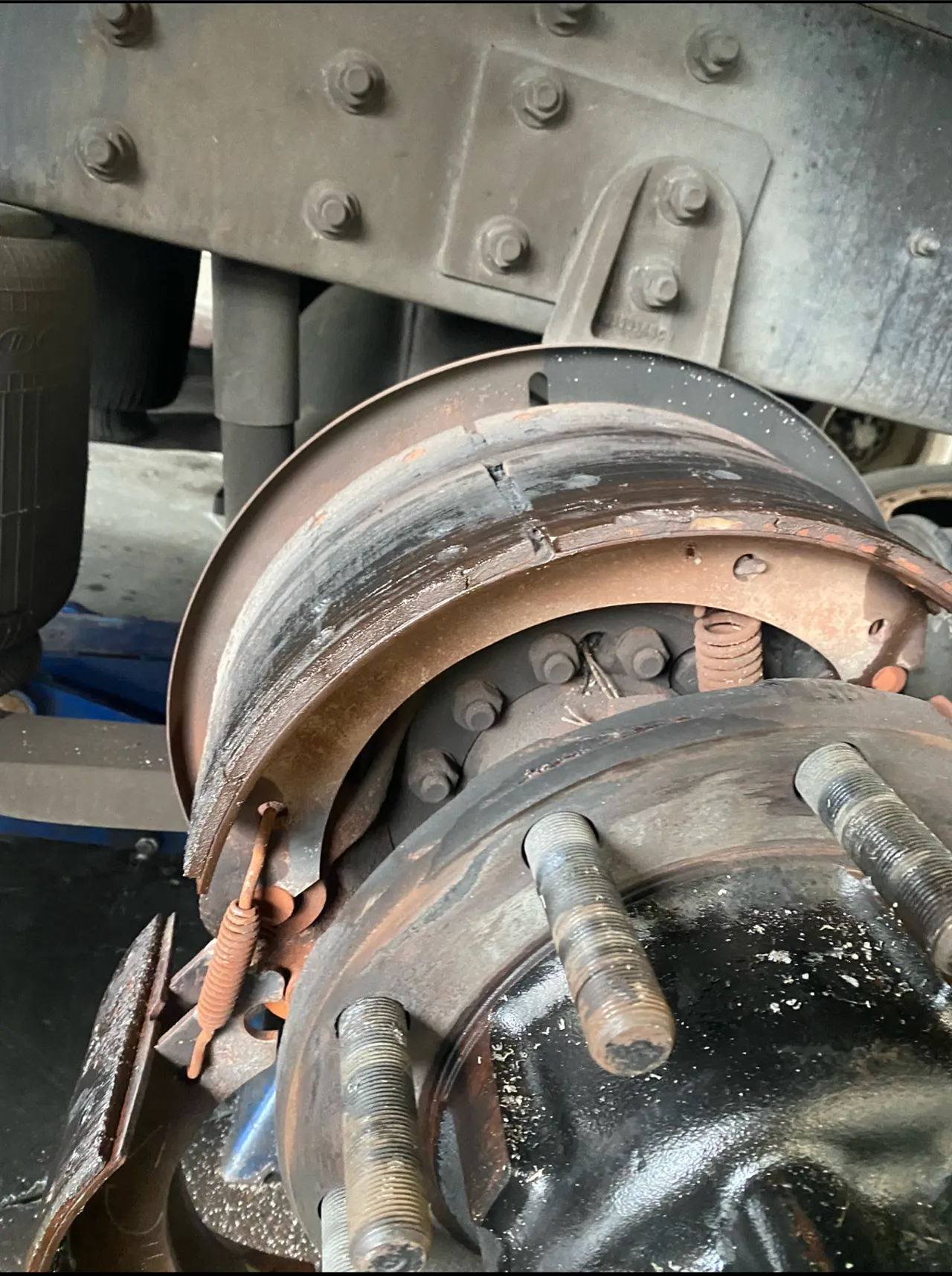
October harvest traffic puts commercial truck brakes to the test long before winter arrives. Across Colona, IL, Galesburg, IL, and Waterloo, IA, grain haulers navigate rural roads, loaded delivery runs, and long queues at grain elevators. These demanding conditions can expose worn components, air leaks, and uneven braking that previously went unnoticed.
A thorough commercial truck brake inspection in western Illinois and eastern Iowa helps identify those problems before they interrupt your next grain delivery.
Why Are Commercial Truck Brake Inspections Important During October Harvest?
Corn and soybean harvest season brings an intense workload for grain-hauling contractors, owner-operators, and agricultural trucking fleets. Your truck might complete several loaded trips between farms, storage facilities, and grain elevators in a single day.
Every stop generates heat and friction within the braking system. Repeated braking with heavy loads can accelerate existing wear, especially when components are already approaching their service limits.
Rural routes throughout Henry County, Knox County, and Black Hawk County present additional challenges. Muddy farm entrances, loose gravel, agricultural debris, and rain-soaked pavement can make controlled stopping more difficult.
Even trucks travelling along I-80 near Colona, I-74 near Galesburg, or US-20 and US-218 around Waterloo eventually encounter demanding rural delivery conditions.
Regular grain truck brake inspections help operators catch developing defects before they lead to unsafe operation or unexpected downtime.
How Can Air Brake Leaks Affect Loaded Grain Trucks?
Your truck's air brake system relies on compressed air to activate its service brakes. When you press the brake pedal, air pressure moves a diaphragm inside the brake chamber, pushing a rod that activates the braking mechanism.
Leaking hoses, damaged fittings, or deteriorated brake chambers can compromise this process.
During harvest, repeated stops at intersections, grain elevators, and farm access roads demand reliable air-system performance. A persistent air leak may cause excessive compressor cycling, pressure loss, or low-air warnings.
Watch for these warning signs:
- Hissing sounds around air hoses, fittings, or brake chambers.
- Air pressure dropping faster than the manufacturer's allowable rate.
- Low-air warning lights or alarms activating unexpectedly.
- Cracked, rubbing, or deteriorated air lines.
- Damaged or corroded semi-truck brake chambers.
If your truck loses air pressure abnormally, don't assume the compressor will compensate for the problem. Arrange professional air brake repair before continuing with an unsafe vehicle.
Technicians can inspect air lines, fittings, valves, chambers, and reservoir pressure to identify the source of the leak.
What Should You Check on Brake Linings, Shoes, and Drums?
Brake linings and drums absorb substantial friction during loaded grain deliveries. With conventional S-cam drum brakes, air pressure activates the brake chamber, moving the pushrod and slack adjuster to rotate the S-cam.
The S-cam pushes the brake shoes against the drum, creating the friction needed to slow your truck.
As brake linings wear, stopping performance can deteriorate, especially when wear becomes uneven or components overheat.
During commercial truck brake maintenance, technicians should examine:
- Brake linings: Excessive wear, cracking, glazing, or oil contamination.
- Brake shoes: Damaged hardware, uneven contact, or loose components.
- Brake drums: Cracks, heat damage, unusual scoring, or excessive wear.
- Wheel-end components: Signs of abnormal heating or friction-related damage.
Dust and mud from agricultural roads can also expose already compromised brake assemblies to additional contamination.
If you notice burning odors, pulling during braking, or unusual wheel-end heat, have the vehicle inspected before another loaded trip. These symptoms may indicate a serious mechanical problem.
Why Do Automatic Slack Adjusters Matter for Harvest Hauling?
Automatic slack adjusters help maintain the correct clearance between brake shoes and drums as normal lining wear occurs.
However, these components cannot compensate for every mechanical defect.
Excessive pushrod travel can indicate problems with the slack adjuster, brake chamber, S-cam components, or related hardware. When a brake exceeds its permitted stroke limit, it may not produce the expected braking force.
A qualified technician should measure pushrod travel and inspect the entire actuation system.
Simply tightening an automatic slack adjuster manually is not a reliable long-term repair. It can temporarily hide problems that require diagnosis, leaving the underlying defect unresolved.
For agricultural trucks completing frequent loaded trips, correct adjustment helps maintain consistent braking across multiple axles.
How Do Trailer Brake Connections Affect Grain Hauling Safety?
A grain-hauling tractor is only as dependable as its trailer braking system. Hopper-bottom trailers carry substantial loads, making reliable communication between tractor and trailer brakes essential.
Damaged gladhands, deteriorated rubber seals, loose connections, or leaking air hoses can interfere with trailer brake operation.
Professional hopper trailer brake repair should address both the trailer's mechanical braking components and its pneumatic connections.
Inspectors should examine the following:
- Gladhands for damaged seals or improper connections.
- Service and emergency air hoses for leaks, cracks, and rubbing.
- Trailer brake chambers and related components for damage.
- Brake linings and drums for excessive or uneven wear.
- Trailer brake operation and air-system performance.
Poor tractor-trailer brake balance can produce uneven stopping behaviour and additional wear.
This matters particularly when navigating narrow rural intersections or approaching busy grain elevator entrances with a full load.
What Does an ABS Warning Light Mean on a Grain Truck?
Your truck's anti-lock braking system (ABS) helps reduce wheel lockup during braking, particularly when traction is limited.
October rain, muddy farm entrances, and wet pavement make proper ABS operation especially valuable.
A persistent ABS warning light indicates a detected system fault that needs diagnosis. Common causes include damaged wheel-speed sensor wiring, corroded connectors, sensor-related problems, or electrical faults.
Agricultural debris and moisture can aggravate vulnerable wiring and exposed connections.
A warning light does not necessarily mean the truck has lost all conventional braking capability. However, ABS functionality may be impaired, and another brake-system defect could also be present.
Professional heavy-duty brake system diagnostics can identify fault codes, test electrical circuits, and determine which components require repair.
When Should Grain Haulers Schedule Professional Brake Inspections?
Your truck should receive appropriate inspections before hauling, not only after braking problems become obvious.
Drivers can identify visible defects and warning symptoms during pre-trip checks, while qualified technicians perform detailed measurements, functional tests, and repairs.
A practical fleet brake inspection checklist includes:
- Checking air pressure buildup, warning devices, and unusual air loss.
- Looking for damaged hoses, loose fittings, and visible brake defects.
- Inspecting tractor and trailer connections.
- Checking ABS indicators and reporting abnormal behaviour.
- Recording brake noises, pulling, overheating, or other driver concerns.
- Having qualified personnel measure brake stroke and assess mechanical wear.
The Commercial Vehicle Safety Alliance's inspection procedures address brake adjustment, linings, drums, ABS, low-air warning devices, and air loss.
Under applicable federal regulations, commercial vehicle drivers must be satisfied that essential safety equipment, including service brakes and trailer brake connections, is in proper working condition before driving. Inspection and maintenance obligations vary depending on vehicle classification and agricultural exemptions.
Iowa's 2026 harvest proclamation also allows certain qualifying agricultural loads up to 90,000 pounds on eligible non-interstate roads through November 7, subject to restrictions. It does not waive brake safety obligations.
Keep Your Grain Trucks Ready for the Next Harvest Run
Reliable braking starts with identifying small defects before they become expensive interruptions. Inspecting air lines, brake chambers, linings, slack adjusters, trailer connections, and ABS components helps protect your equipment throughout the demanding fall harvest.
For professional truck brake repair, contact our team at B and B Truck and Trailer Repair at:
Colona: 309-933-1319
Galesburg: 309-343-8080
Waterloo: 319-502-6677
FAQs
How Often Should Grain Trucks Have Their Brakes Inspected?
Drivers should complete applicable pre-trip inspections before operating their trucks. Qualified technicians should also perform scheduled maintenance inspections and investigate reported defects promptly. Inspection frequency depends on operating conditions, applicable regulations, and manufacturer recommendations.
What Are Common Signs of Failing Air Brakes on a Semi-Truck?
Common symptoms include unusual air pressure loss, hissing sounds, low-air warnings, excessive pushrod travel, abnormal stopping behaviour, and overheating brake components. These problems require investigation before continued operation.
Can Worn Brake Linings Affect a Loaded Grain Trailer?
Yes. Excessively worn, contaminated, or damaged brake linings can reduce effective braking and contribute to uneven stopping or overheating. Loaded grain trailers place significant demands on their braking systems, making timely inspection essential.
Should Automatic Slack Adjusters Be Manually Adjusted?
Automatic slack adjusters should not be repeatedly adjusted manually to compensate for an underlying defect. A qualified technician should identify and correct the mechanical or adjustment-system problem according to manufacturer procedures.
Why Is ABS Important for Grain Trucks During Fall Harvest?
ABS helps reduce wheel lockup during braking on slippery surfaces. Wet pavement, mud, and changing road conditions make properly functioning ABS valuable for maintaining steering control during hard braking. A persistent ABS warning requires diagnosis.
More Articles
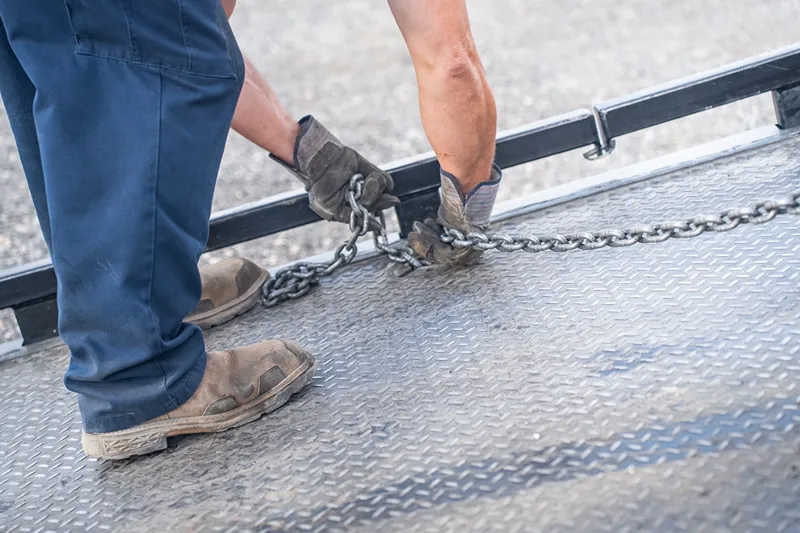
Towing Challenges for Grain Haulers and Agricultural Fleets in Western Illinois

October Engine Checks for Colona Trucks Before Colder Starts Reach the I-80 and I-74 Corridors
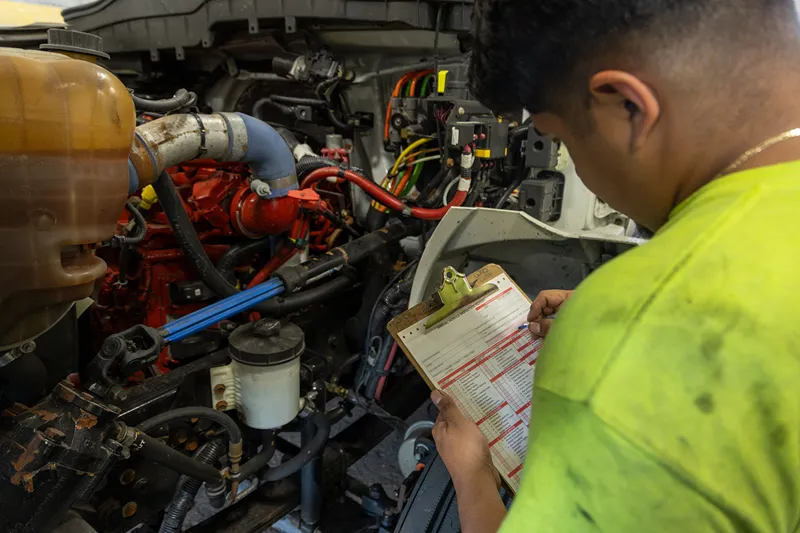
End Summer With a DOT Inspection Readiness Check for Your Commercial Fleet
Contact B&B Truck & Trailer Repair
Visit our truck and trailer repair shops in Colona and Galesburg, Illinois, or Waterloo, Iowa. We also offer mobile services throughout the Quad Cities area, including Moline and Rock Island, IL, and Davenport and Bettendorf, IA. Call your nearest location, stop by, or fill out our service request form to get started!
- Mon: 7:00am-4:00pm
- Tues: 7:00am-4:00pm
- Wed: 7:00am-4:00pm
- Thurs: 7:00am-4:00pm
- Fri: 7:00am-4:00pm
- Sat: Closed
- Sun: Closed
- 24/7 Roadside
Assistance
- Mon: 7:00am-4:00pm
- Tues: 7:00am-4:00pm
- Wed: 7:00am-4:00pm
- Thurs: 7:00am-4:00pm
- Fri: 7:00am-4:00pm
- Sat: Closed
- Sun: Closed
- 24/7 Roadside
Assistance
- Mon: 7:00am-4:00pm
- Tues: 7:00am-4:00pm
- Wed: 7:00am-4:00pm
- Thurs: 7:00am-4:00pm
- Fri: 7:00am-4:00pm
- Sat: Closed
- Sun: Closed
- 24/7 Roadside
Assistance


New Location Now Open!
Our newest repair shop is now serving Waterloo, IA!
Come visit us at 2317 Northeast Dr, Waterloo, IA 50703.