How to Tell If Your DPF Is Clogged and Needs Service
Learn how to identify the warning signs of a clogged DPF before it causes serious problems. Discover the symptoms, causes, and service options for diesel particulate filter issues, including regeneration failures, power loss, poor fuel economy, and engine derates.
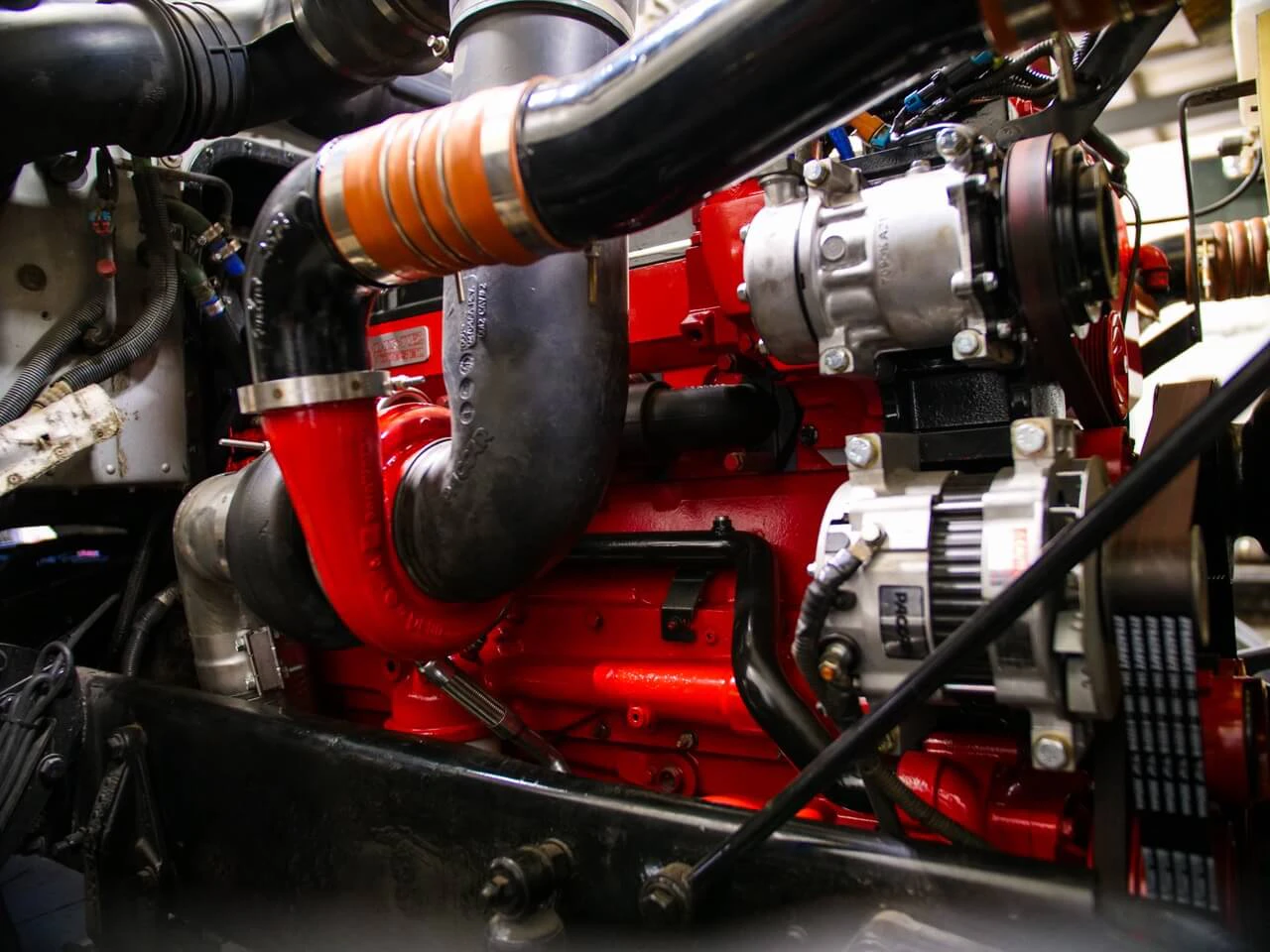
A clogged Diesel Particulate Filter (DPF) can cause reduced engine power, poor fuel economy, frequent regeneration cycles, warning lights, and even engine derates. Recognizing these symptoms early allows you to schedule DPF service before minor restrictions become costly repairs that impact your truck's reliability and uptime.
Common Signs Your DPF Is Clogged
The DPF Warning Light Comes On
One of the most obvious indicators is your dashboard's DPF warning light. This light typically appears when the system detects excessive soot accumulation and needs a regeneration cycle.
While it's tempting to ignore the warning and keep driving, doing so can allow the blockage to worsen. Addressing the issue early often prevents more costly repairs later.
Reduced Engine Performance
A clogged diesel particulate filter restricts exhaust flow, making it harder for your engine to breathe efficiently.
You may notice:
- Sluggish acceleration
- Reduced power when hauling heavy loads
- Poor throttle response
- Difficulty maintaining highway speeds
When exhaust gases can't exit properly, engine performance naturally declines.
Increased Fuel Consumption
Have you noticed your fuel costs creeping up without any changes to your routes or loads?
A restricted DPF forces the engine to work harder to maintain performance. As a result, your truck burns more fuel than normal. If your fuel economy suddenly drops, a clogged aftertreatment system could be the culprit.
Frequent or Failed Regeneration Cycles
Modern diesel trucks are designed to perform automatic regeneration cycles when needed. However, a heavily loaded filter may trigger:
- More frequent regenerations
- Longer regeneration periods
- Incomplete regenerations
- Repeated regeneration requests
If your truck constantly enters regen mode, it's a strong indication that professional DPF service may be necessary.
Excessive Exhaust Backpressure
What Is Exhaust Backpressure?
As soot accumulates in the filter, exhaust gases encounter greater resistance as they exit the engine. This condition is known as exhaust backpressure.
High backpressure can lead to:
- Engine derates
- Reduced fuel efficiency
- Increased engine temperatures
- Additional stress on turbocharger components
Many modern ECMs monitor backpressure levels and will trigger fault codes when readings exceed acceptable limits.
Check Engine Lights and Fault Codes
A clogged DPF often generates diagnostic trouble codes related to:
- DPF restriction
- Exhaust pressure sensors
- Regeneration failures
- Emissions system faults
Even if your truck seems to run normally, these fault codes should never be ignored. Early diagnosis can prevent the problem from escalating.
Black Smoke and Unusual Exhaust Issues
Ironically, a failing emissions system can sometimes cause visible exhaust problems.
Depending on the severity of the restriction, you may notice:
- Increased black smoke
- Strong exhaust odors
- Excessive soot around the tailpipe
While modern diesel engines are designed to operate cleanly, a compromised DPF can disrupt normal exhaust flow and emissions performance.
Engine Derates and Limp Mode
When the Truck Protects Itself
As DPF restrictions become severe, many manufacturers program the engine to enter a protective mode known as an engine derate.
This safety measure limits engine power to prevent damage to critical components.
Symptoms may include:
- Reduced maximum speed
- Limited RPM range
- Significant power loss
- Inability to haul normal loads
Once the truck reaches this stage, immediate service is typically required.
What Causes a DPF to Clog?
Several factors can contribute to DPF clogging, including:
Excessive Idling
Long periods of idling generate soot without creating enough heat for effective regeneration.
Short Trip Operation
Frequent short trips may prevent exhaust temperatures from reaching the levels needed to burn off accumulated soot.
Faulty Sensors
According to diesel aftertreatment system design, sensors play a critical role in determining when regeneration is required. Faulty DPF sensors can prevent proper regeneration and lead to soot buildup.
Underlying Engine Problems
Issues such as:
- Faulty fuel injectors
- Turbocharger problems
- EGR system failures
- Poor combustion
can increase soot production and overload the filter.
When Does a DPF Need Professional Service?
Not every DPF issue requires replacement.
In many cases, professional technicians can perform:
Forced Regeneration
When automatic regeneration fails, technicians may initiate a forced regeneration using specialized diagnostic equipment. This process burns away accumulated soot, restoring normal operation.
DPF Cleaning
Over time, ash accumulates in the filter and cannot be removed solely through regeneration. Professional cleaning removes this buildup and restores airflow.
Sensor and Component Diagnostics
Technicians can inspect:
- Pressure sensors
- Temperature sensors
- EGR components
- Turbocharger systems
to identify the root cause of recurring DPF problems.
How to Prevent Future DPF Problems
Preventive maintenance remains the best defense against expensive emissions repairs.
You can reduce the risk of DPF issues by:
- Limiting unnecessary idling
- Following manufacturer maintenance schedules
- Addressing engine performance issues promptly
- Completing regeneration cycles when requested
- Monitoring warning lights and fault codes
- Scheduling regular preventive maintenance inspections
A proactive approach helps maximize the life of your DPF and minimizes costly downtime.
Keep Your DPF Clean and Effective!
A clogged Diesel Particulate Filter rarely happens overnight. Warning signs such as reduced power, poor fuel economy, frequent regenerations, fault codes, and engine derates often appear well before complete failure.
By recognizing these symptoms early and scheduling professional DPF service, you can protect your engine, maintain emissions compliance, and keep your truck operating efficiently.
More Articles
.webp)
The I-80 Driver’s Guide to Breakdowns, Mobile Repairs, and Towing in the Quad Cities
.webp)
How Fleet Diagnostics Can Help Reduce Unplanned Breakdowns Between Galesburg and the Quad Cities
%20(1).webp)
How to Build a Preventive Maintenance Schedule Around Galesburg–Davenport Delivery Cycles
Contact B&B Truck & Trailer Repair
Visit our truck and trailer repair shops in Colona and Galesburg, Illinois, or Waterloo, Iowa. We also offer mobile services throughout the Quad Cities area, including Moline and Rock Island, IL, and Davenport and Bettendorf, IA. Call your nearest location, stop by, or fill out our service request form to get started!
- Mon: 7:00am-4:00pm
- Tues: 7:00am-4:00pm
- Wed: 7:00am-4:00pm
- Thurs: 7:00am-4:00pm
- Fri: 7:00am-4:00pm
- Sat: Closed
- Sun: Closed
- 24/7 Roadside
Assistance
- Mon: 7:00am-4:00pm
- Tues: 7:00am-4:00pm
- Wed: 7:00am-4:00pm
- Thurs: 7:00am-4:00pm
- Fri: 7:00am-4:00pm
- Sat: Closed
- Sun: Closed
- 24/7 Roadside
Assistance
- Mon: 7:00am-4:00pm
- Tues: 7:00am-4:00pm
- Wed: 7:00am-4:00pm
- Thurs: 7:00am-4:00pm
- Fri: 7:00am-4:00pm
- Sat: Closed
- Sun: Closed
- 24/7 Roadside
Assistance


New Location Now Open!
Our newest repair shop is now serving Waterloo, IA!
Come visit us at 2317 Northeast Dr, Waterloo, IA 50703.